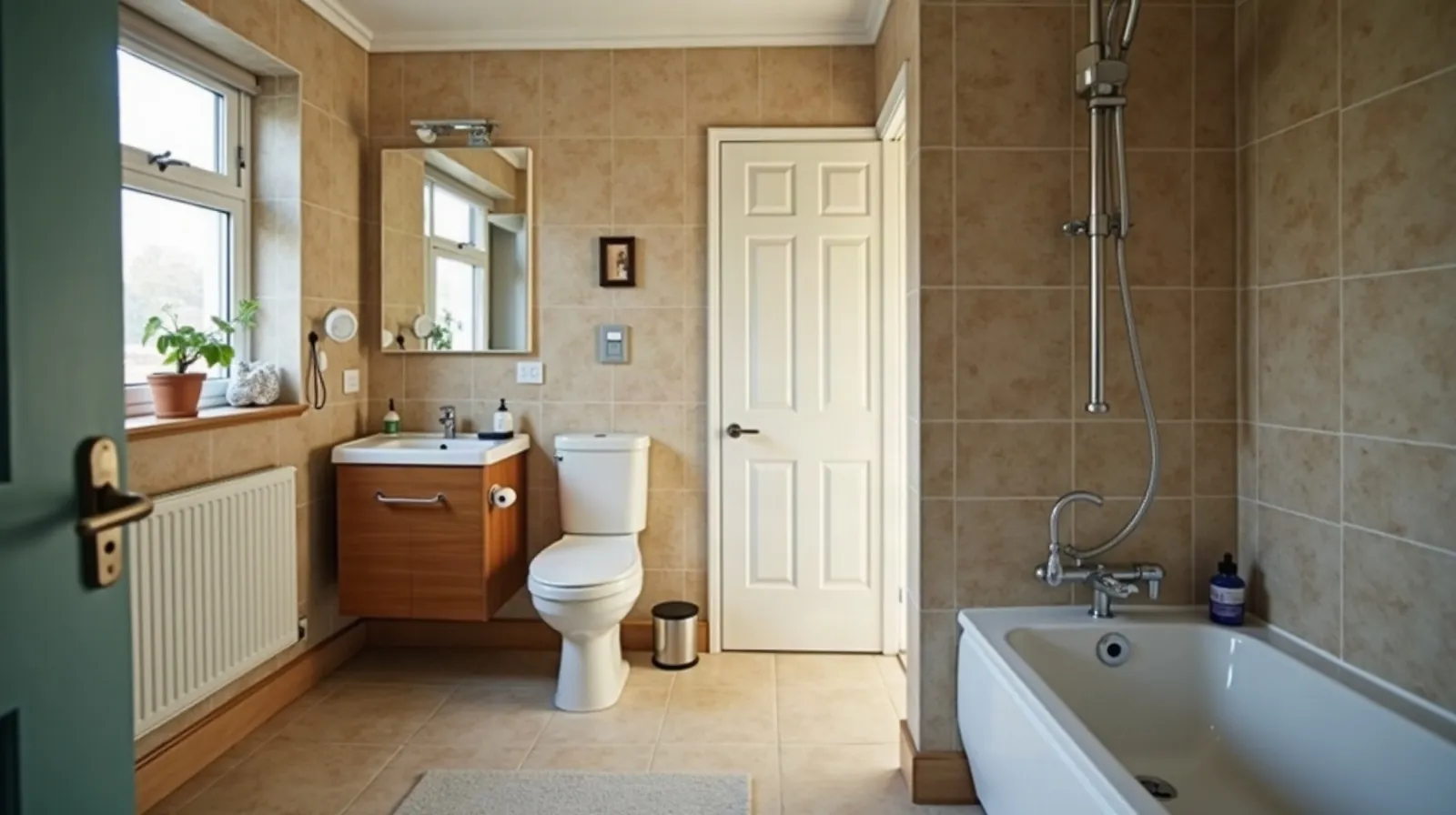
Installing a bathroom involving plumbing can need building regulations approval. Replacing fuse boxes and changing electrics near a bath or shower can also need approval. Replacing baths, toilets, basins and sinks is exempt, as are new power and lighting points except around baths and showers. Competent person installers self-certify and issue a certificate within 8 weeks.
Bathrooms that need approval
If you install a bathroom that involves plumbing, the work can need building regulations approval. This applies to new installations or alterations that affect the plumbing system. The exact requirement depends on the local council, so you should check with them before starting. Approval ensures the work meets the relevant standards for sanitation and water efficiency.
Plumbing work includes installing new pipework, moving existing pipes, or connecting new fixtures to the water supply and drainage system. Such work can affect the structural integrity of the property or the safety of the water supply. Therefore, building control involvement may be necessary. You must not assume that because a job seems small it is exempt.
The person doing the work can be prosecuted and fined if approval is required but not obtained. Councils can also make you pay to fix faulty work. To avoid these issues, confirm with your local council whether your bathroom project needs approval. Keep records of any approvals, as you may need them when selling your home.
Electrical work that needs approval
Replacing fuse boxes and changing electrics near a bath or shower can need building regulations approval. This is because these areas are considered high risk due to water. Work in these zones must comply with specific safety standards. Approval ensures the work is safe and meets legal requirements.
New power and lighting points are generally exempt, except when they are installed around baths and showers. This means that adding a new socket in a bedroom does not usually need approval, but adding one in a bathroom likely does. The boundary of what counts as around a bath or shower depends on the local council and professional advice.
If you are unsure whether your electrical work needs approval, consult a registered electrician or your local building control team. They can advise you on the specific rules for your situation. Ignoring the need for approval can lead to penalties and difficulties when selling your home.
Jobs that are exempt
Replacing baths, toilets, basins and sinks is exempt from building regulations approval. This means you can swap like for like without notifying building control. However, if you change the layout or involve plumbing alterations, approval may be needed. Always check with your local council if you are unsure.
New power and lighting points are exempt except around baths and showers. So, adding a new light in a hallway or a socket in a living room does not require approval. This exemption makes some electrical upgrades straightforward, but you must still ensure the work is safe and complies with other regulations, such as the Wiring Regulations.
Even for exempt work, you should use a competent person to ensure safety. The person doing the work can be prosecuted and fined if they cause danger, and councils can make you pay to fix faulty work. Therefore, while approval may not be needed, quality and safety remain important.
Registered tradespeople
Competent person installers self-certify and issue a certificate within 8 weeks. These installers are registered with a competent person scheme, which allows them to certify their own work as compliant with building regulations. This saves you from having to apply separately to building control for certain jobs.
When you hire a registered installer, they will handle the compliance process and provide you with a certificate. This certificate is proof that the work meets the required standards. You should keep it safe, as you may need it when selling your home. Not all tradespeople are registered, so always ask for their registration details.
Using a registered installer can simplify the process, but you must ensure they are qualified for the specific work. For example, electrical work near a bath or shower should be done by a registered electrician. If you are unsure, check with the scheme provider or your local council.
Applying to building control
A building notice lets smaller jobs start 2 days after submission. This is a way to apply for building regulations approval for simple projects. You submit the notice to your local council, and after two days, work can begin. However, not all jobs qualify for a building notice; larger projects may require full plans approval.
The application process involves providing details of the work and paying a fee. The council will then inspect the work at various stages to ensure compliance. You must not start work before the notice period has passed. Failure to apply when required can lead to penalties.
The exact procedure and fees vary between councils, so you should contact your local building control team for guidance. They can tell you whether a building notice is appropriate for your job and what information you need to provide. Always get confirmation before starting work.
Penalties and selling
The person doing the work can be prosecuted and fined if building regulations are not followed. Councils can also make you pay to fix faulty work. This means that if you or your contractor do not obtain the necessary approvals, you could face legal action and additional costs to correct the work.
When selling your home, buyers and their solicitors will ask for evidence that any building work was approved. If you cannot provide the required certificates, it can delay or jeopardise the sale. You may need to obtain retrospective approval, which can be more expensive and complicated.
To avoid these problems, ensure that all necessary approvals are in place before starting work. Keep all certificates and correspondence with building control. If you are buying a home, check for the relevant approvals for any bathroom or electrical work. This due diligence can save you from inheriting problems.
General information, not professional advice. Rules vary by council and change over time; check with your local authority or a qualified professional before starting work or buying.
Frequently asked questions
Does installing a new bathroom always need building regulations approval?
Not always. Installing a bathroom involving plumbing can need approval, but replacing baths, toilets, basins and sinks is exempt. Check with your local council to confirm whether your specific project requires approval.
Can I replace my fuse box without approval?
Replacing fuse boxes can need building regulations approval. This is because it is a significant electrical change. You should consult a registered electrician or your local building control team before proceeding.
Are new electrical sockets exempt from approval?
New power and lighting points are exempt except around baths and showers. So, sockets in most rooms do not need approval, but those in bathrooms likely do. Always confirm with a professional.
How quickly can work start after a building notice?
A building notice lets smaller jobs start 2 days after submission. You must submit the notice to your local council and wait two days before beginning work. Not all jobs are eligible for this route.
What happens if I do not get approval for work that needs it?
The person doing the work can be prosecuted and fined, and councils can make you pay to fix faulty work. This can also cause problems when selling your home, as buyers will ask for certificates.
Sources
Checked 20 November 2026.