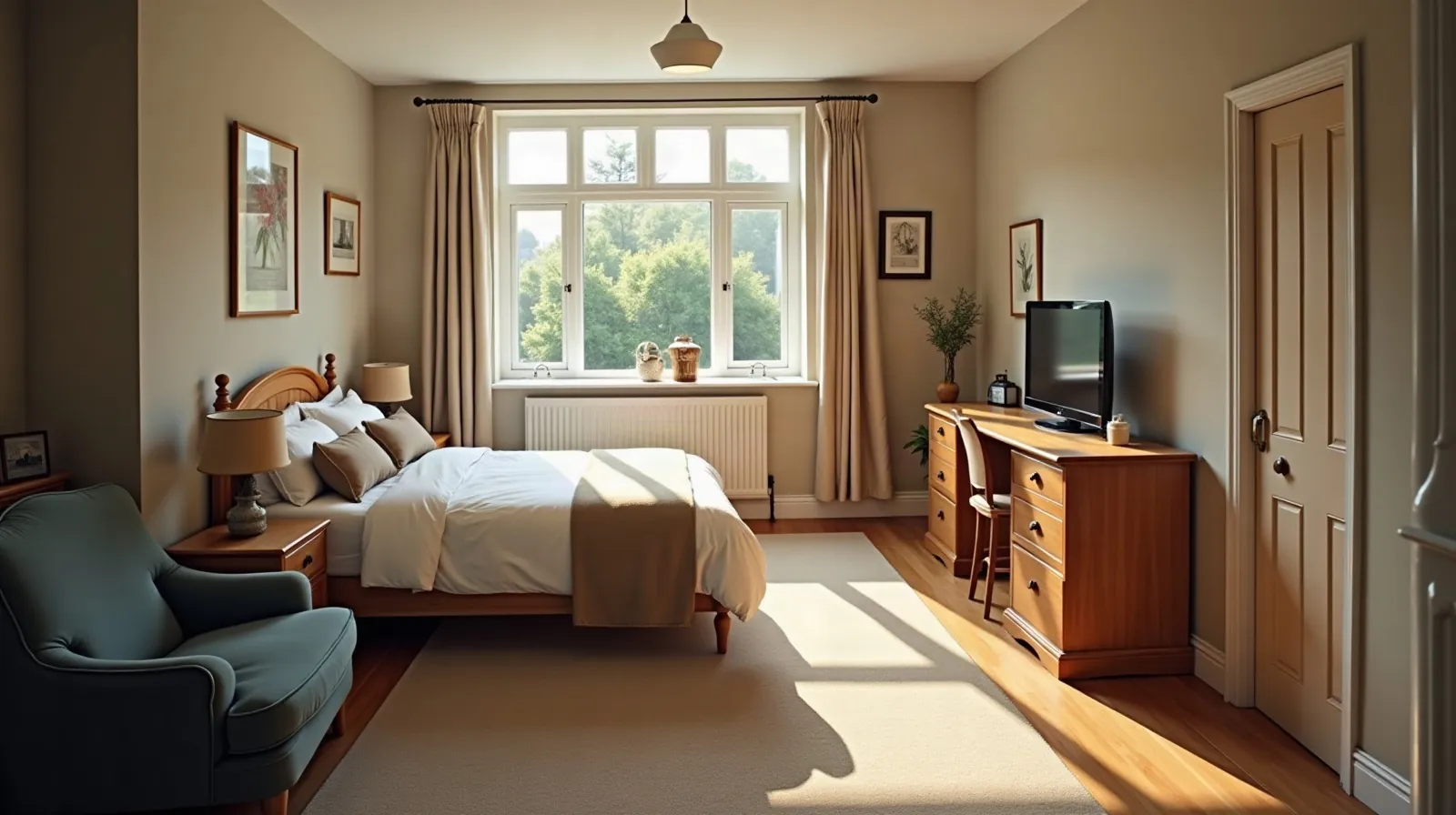
A lodger rents a furnished room in your home and shares facilities with you. Under the Rent a Room Scheme you can earn up to £7,500 a year tax free from furnished accommodation in your home. The threshold is halved to £3,750 if the income is shared. Lodgers are often excluded occupiers with limited rights.
How lodging works
Lodging means renting out a furnished room in your home to someone who lives there with you. The lodger typically shares the kitchen, bathroom and living areas. This arrangement differs from renting out a whole property or a self contained flat. You remain living in the property as the owner or main occupier. The lodger pays rent for the room and the shared facilities. You agree the terms between you, including the rent, the notice period and any house rules. A written agreement is not a legal requirement but it helps both sides understand what was agreed. The lodger may have a licence to occupy rather than a tenancy. This distinction affects the lodger's rights and the notice you must give.
You can decide how many lodgers to take, subject to any rules that apply to your property. If you own a leasehold flat, the lease may restrict letting a room. If you have a mortgage, the lender may need to be informed. Your local council may have rules on houses in multiple occupation if you take in several lodgers. Always check these points before you start. The rent you charge is a matter for you and the lodger. You can include bills in the rent or charge separately. Keep a record of payments and any agreement you make.
Rent a Room tax relief
The Rent a Room Scheme lets you earn up to £7,500 a year tax free from furnished accommodation in your home. This figure applies to the total income from letting furnished rooms, not the profit. If the income is shared, for example with a partner or someone else who owns the home, the threshold is halved to £3,750. The exemption is automatic below the threshold. You do not need to do anything to claim it. If your income from lodgers is above the threshold, you must complete a tax return. You can choose to use the scheme or to work out your tax in the normal way, depending on which is better for you.
The scheme covers furnished accommodation only. It does not apply to letting an unfurnished room or a whole property. The income must come from a lodger in your main home. If you let a room in a second home, the scheme does not apply. The threshold is an annual amount. If your income goes over it in one year, you may need to pay tax on the excess. Keep records of your income and any expenses. If you are unsure how the scheme applies to your situation, seek advice from a tax professional.
Lodger rights and notice
A lodger is often an excluded occupier. This means the lodger has limited rights compared with a tenant. You can end the letting with less notice than you would need for a tenant. The notice period depends on what you agreed. It is usually reasonable notice, such as the length of the rent period. A lodger does not have the right to stay in the property after the notice period ends. You do not need a court order to evict a lodger in most cases. However, you must not use force or harassment. If the lodger refuses to leave, you may need to seek legal advice.
Lodgers cannot challenge the agreed rent. They cannot ask a rent officer or tribunal to set a lower rent. The rent is a matter of agreement between you and the lodger. If the lodger thinks the rent is too high, their remedy is to leave. They cannot force a reduction. This differs from the rights of tenants in some types of tenancy. You should make the rent and payment terms clear before the lodger moves in. A written agreement can help avoid misunderstandings. If you are unsure about the legal status of your lodger, take advice from a solicitor or a housing advice service.
Choosing a lodger
Ask for references and follow them up before signing. This is a basic step to reduce risk. References can include a previous landlord, an employer or a character reference. Do not rely on a reference without checking it. Contact the referee directly using the details they provide. Ask specific questions about rent payment, behaviour and notice. You can also ask for identification and proof of income. A credit check may be appropriate. Meet the prospective lodger in person and show them the room. Discuss your expectations about noise, guests, cleaning and bills. A trial period can help both sides decide if the arrangement works.
You should have a written agreement that sets out the key terms. Include the rent, the payment date, the notice period and any house rules. Both parties should sign it. Keep a copy for your records. You may wish to take a deposit. If you do, set out the terms for its return in the agreement. There is no legal requirement to protect a lodger's deposit in a government backed scheme, but you should still be clear about the conditions. If you are unsure what to include, a legal professional can help. Remember that you are sharing your home, so compatibility matters as much as references.
Safety and insurance
You must ensure the room and shared areas are safe. Check that smoke alarms are working and that there is a carbon monoxide alarm if you have a fuel burning appliance. Keep fire exits clear. If you take in lodgers, your home insurance may be affected. Contact your insurer to check whether your policy covers a lodger. You may need to update your cover. Landlord insurance is not usually needed for a lodger, but you should confirm the position with your insurer. If you rent your home, check your tenancy agreement before taking in a lodger. Your local council may have safety requirements for rented rooms.
Gas appliances must be checked annually by a registered engineer. You should keep a record of the check. Electrical installations should be safe. If you provide furniture, it should meet fire safety regulations. You do not need to provide a full fire risk assessment for a single lodger in most cases, but you should take reasonable steps. If you are unsure, ask your local council's environmental health department. They can advise on safety requirements. Keep a record of any safety checks you carry out. This helps show you have taken your responsibilities seriously.
When it becomes a business
Taking in a lodger is usually a domestic arrangement. However, if you let rooms to several people, it may be treated as a business. The Rent a Room Scheme has limits. If your income exceeds the threshold, you must declare it. If you provide services such as meals or cleaning, this may affect your tax position. The distinction between a lodger and a tenant can also matter. If you let a self contained flat or a whole floor, the occupier may be a tenant with different rights. If you are unsure whether your arrangement has become a business, seek advice from a tax professional or your local council.
If you take in multiple lodgers, your property may become a house in multiple occupation. This depends on the number of occupiers and the layout. Your local council can tell you whether a licence is required. Licensing rules vary by area. If you need a licence, you must comply with its conditions. Failure to do so can lead to penalties. Keep records of your income and expenses. If you are letting rooms regularly, you may need to register for self assessment. The rules can be complex, so professional advice is sensible. Always check with your local council and a qualified adviser before expanding your letting activity.
General information, not professional advice. Rules vary by council and change over time; check with your local authority or a qualified professional before starting work or buying.
Frequently asked questions
How much can I earn tax free from a lodger?
Under the Rent a Room Scheme you can earn up to £7,500 a year tax free from furnished accommodation in your home. If the income is shared, the threshold is halved to £3,750.
Do I need to complete a tax return for lodger income?
The exemption is automatic below the threshold. If your income is above the threshold, you must complete a tax return. You can choose how to work out your tax.
What notice must I give a lodger?
A lodger is often an excluded occupier, so less notice is needed than for a tenant. The notice period depends on what you agreed, but it is usually reasonable notice such as the length of the rent period.
Can a lodger challenge the rent I charge?
No. Lodgers cannot challenge the agreed rent. The rent is a matter of agreement between you and the lodger. If the lodger is unhappy, their option is to leave.
What should I do before choosing a lodger?
Ask for references and follow them up before signing. Check the references directly. Meet the person and discuss your expectations. A written agreement can help set out the terms clearly.
Sources
Checked 20 November 2026.