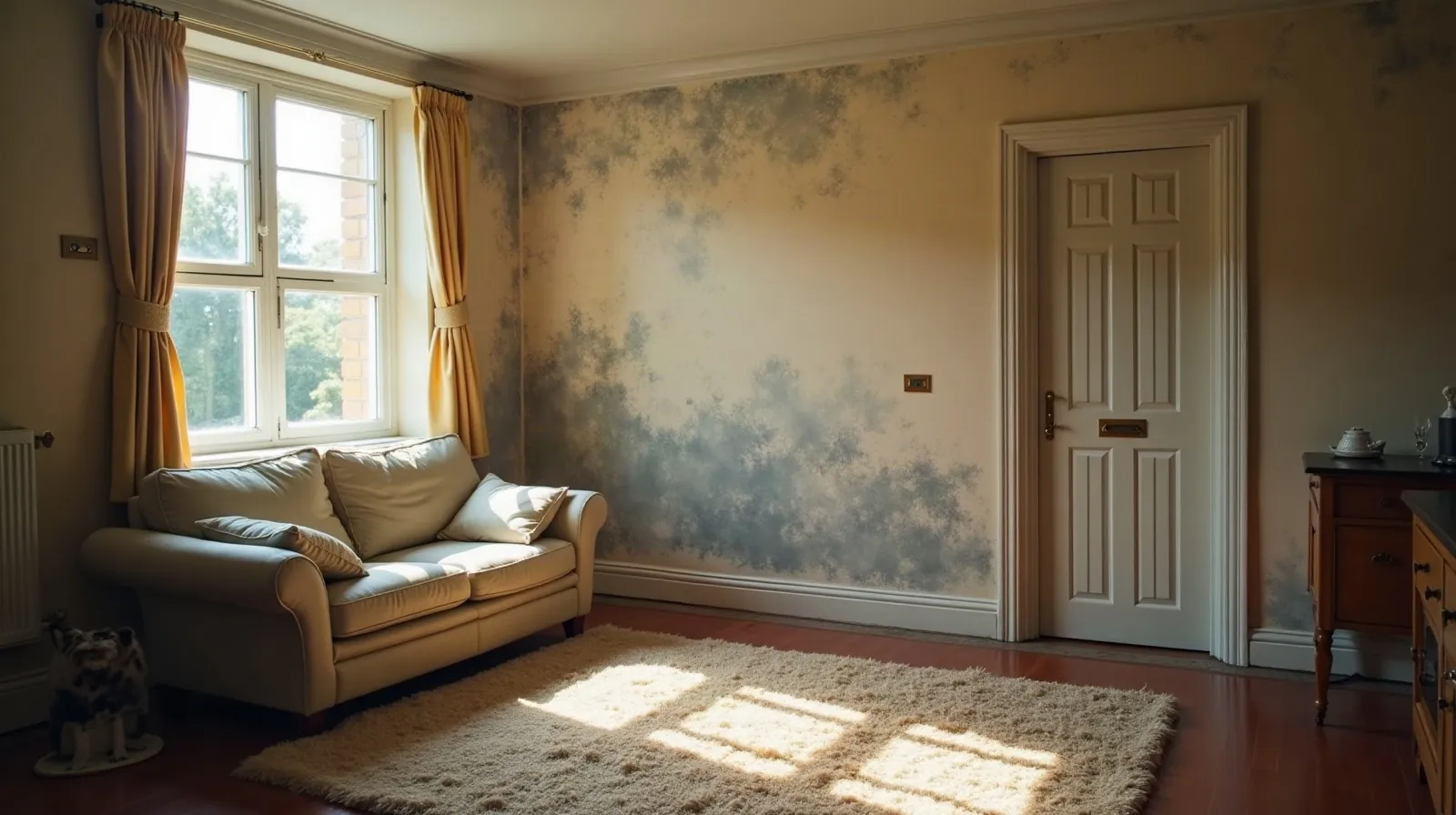
Damp and mould mainly affect the airways and lungs, and can also affect eyes and skin. In severe cases, respiratory effects can cause death. Everyone is vulnerable, but people with certain health conditions, children and older adults are at greater risk. Landlords should respond with urgency and not wait for medical evidence.
Why damp and mould matter
Damp and mould in your home are not just a nuisance. They mainly affect the airways and lungs, and can also affect eyes and skin. In the most severe cases, respiratory effects can cause death. This means that ignoring mould can have serious health consequences for you and your family.
Everyone is vulnerable to the health effects of damp and mould, but some people are at greater risk. People with certain health conditions, children and older adults are more likely to suffer harm. If you or someone in your household falls into these groups, it is especially important to act quickly.
Landlords in England have a responsibility to deal with damp and mould. They should respond with urgency and not wait for medical evidence, which is not a requirement. This means you do not need to prove that mould is affecting your health before a landlord takes action.
Common causes
Damp and mould can have several causes. Common underlying causes include building deficiencies, inadequate ventilation and condensation. These problems can lead to moisture building up in your home, creating conditions for mould to grow.
Building deficiencies might include defects in the structure or fabric of the building that allow water ingress or prevent proper drying. Inadequate ventilation means that moisture from cooking, bathing and breathing is not removed effectively. Condensation occurs when warm, moist air meets a cold surface.
Removing surface mould alone will not stop it returning. Landlords should tackle the underlying causes as well as remove the mould. This means addressing building deficiencies, improving ventilation and reducing condensation.
What tenants can expect from landlords
If you report damp and mould, you can expect your landlord to respond with urgency. They should not wait for medical evidence, which is not a requirement. This means they should take your report seriously and act promptly.
Landlords should remove the mould and tackle the underlying causes. This includes addressing building deficiencies, inadequate ventilation and condensation. Simply wiping away surface mould is not enough, as it will return if the cause is not fixed.
After remedial work, landlords should inspect at least 6 weeks later to check that the problem has not returned. This gives you assurance that the issue has been properly resolved. If mould reappears, you should report it again.
How landlords should respond
Landlords should respond to reports of damp and mould with urgency. They should not wait for medical evidence, which is not a requirement. This means they should investigate and take action without delay.
The first step is to remove the mould. However, removing surface mould alone will not stop it returning. Landlords must also tackle underlying causes such as building deficiencies, inadequate ventilation and condensation.
Landlords should arrange for any necessary repairs or improvements. Works to heating and ventilation and replacing windows are controlled work under the Building Regulations 2010. This means they must comply with building regulations, often involving a professional or the local council.
Private and social landlords who do not comply with damp and mould regulations risk prosecution or financial penalties. This underlines the importance of taking action promptly and correctly.
Repairs that need building regulations
Some repairs to address damp and mould may need building regulations approval. Works to heating and ventilation and replacing windows are controlled work under the Building Regulations 2010. This means that such works must meet specific standards.
If your landlord plans to carry out these works, they should ensure that they comply with the Building Regulations 2010. This may involve using a registered competent person or applying to the local council for approval. The exact process depends on the local council and the type of work.
You can ask your landlord for evidence that any controlled work has been properly approved. If you are unsure, you can contact the local council's building control department for advice. They can confirm whether the work requires approval and whether it has been done correctly.
Preventing it coming back
After the mould has been removed and the underlying causes addressed, it is important to prevent it from returning. Landlords should inspect at least 6 weeks after remedial work to check that the problem has not returned. This inspection helps to ensure that the fixes have worked.
You can also play a part in prevention by maintaining adequate ventilation and reducing condensation. Simple actions like opening windows, using extractor fans and drying clothes outside can help. However, if the building has deficiencies, these may need professional attention.
If mould does return, report it to your landlord promptly. They should respond with urgency and not wait for medical evidence. Persistent problems may indicate that the underlying cause has not been fully resolved.
General information, not professional advice. Rules vary by council and change over time; check with your local authority or a qualified professional before starting work or buying.
Frequently asked questions
Do I need to provide medical evidence to get my landlord to fix damp and mould?
No. Landlords should respond with urgency and not wait for medical evidence, which is not a requirement. You can report the problem and expect action without proving health effects.
What are common causes of damp and mould?
Common causes include building deficiencies, inadequate ventilation and condensation. Removing surface mould alone will not stop it returning, so the underlying cause must be tackled.
How soon should my landlord inspect after repairs?
Landlords should inspect at least 6 weeks after remedial work to check the problem has not returned. This helps ensure the issue is resolved.
Do repairs to heating and ventilation need building regulations approval?
Yes. Works to heating and ventilation and replacing windows are controlled work under the Building Regulations 2010. Your landlord must ensure compliance, often involving a professional or the local council.
What happens if my landlord does not comply with damp and mould regulations?
Private and social landlords who do not comply risk prosecution or financial penalties. This applies in England and covers both private and social landlords.
Sources
- UKHSA and MHCLG: Understanding and addressing the health risks of damp and mould in the home
- GOV.UK: Building regulations approval
Checked 20 November 2026.