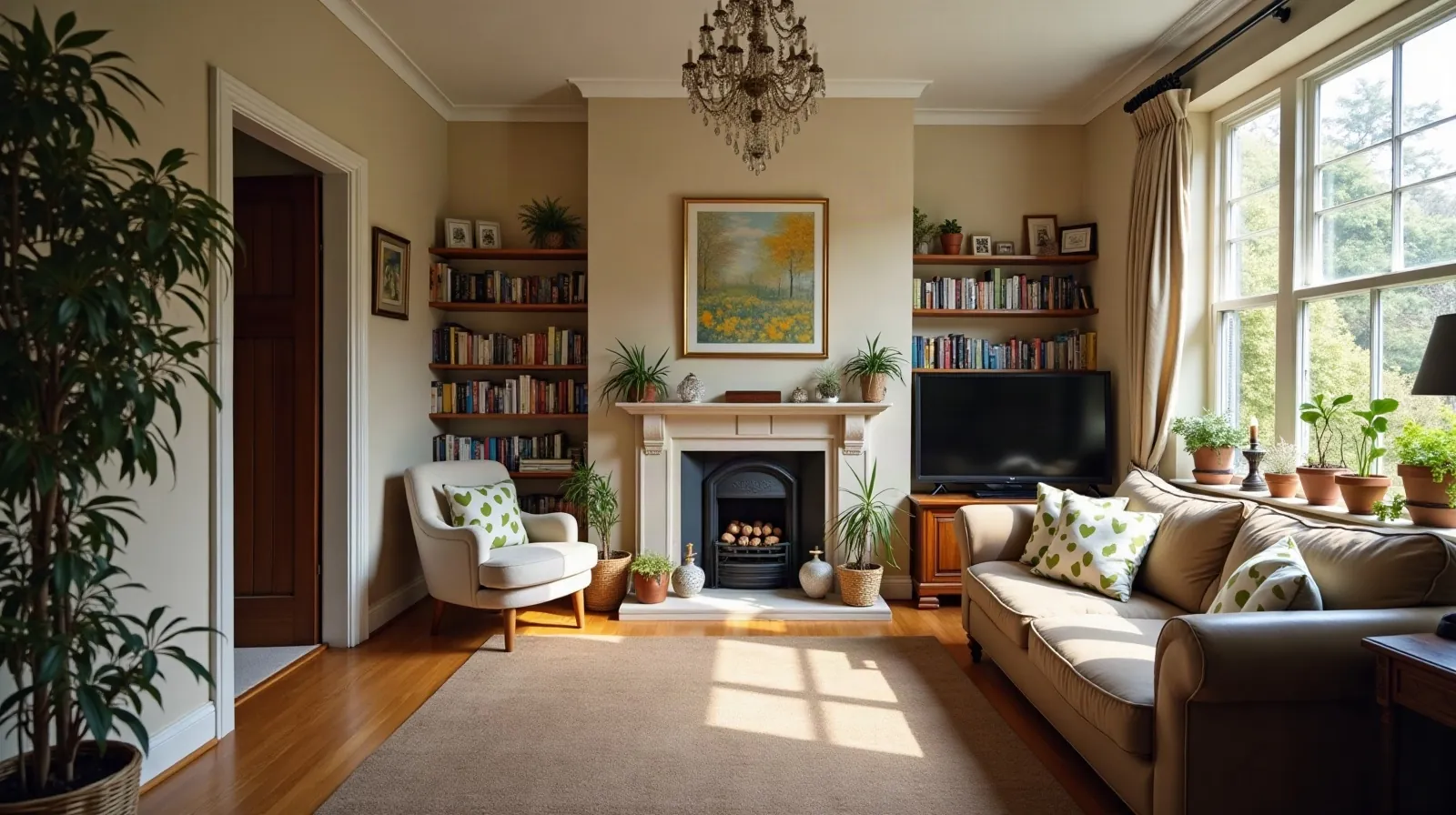
Under section 7 of the 1990 Act, demolishing, altering or extending a listed building in a way that affects its special architectural or historic character needs authorisation. Carrying out such works without consent, or breaching a consent condition, is an offence under section 9. Always check with your local council before starting.
What listing means
A listed building is one that has been identified for its special architectural or historic interest. Listing means that any works that affect that special character need authorisation. This applies to the whole building, not just the front or the parts you can see. The control covers demolition, alteration and extension. It also covers works that might not seem major but could still affect the building's character. You should treat the listing as applying to the entire structure and its fixtures.
The need for authorisation comes from section 7 of the 1990 Act. That section says that demolishing, altering or extending a listed building in a way that affects its special architectural or historic character needs authorisation. This is known as listed building consent. It is separate from planning permission. You may need both, or just one, depending on the works. The local council decides whether the works affect the special character and whether consent can be granted.
There is a defence for urgent works necessary for safety, health or preservation. That defence is limited to the minimum works needed and you must notify the local council in writing. This defence does not allow you to carry out more extensive works without consent. If you are unsure whether works are urgent, you should contact the local council before proceeding. The defence is narrow and applies only to the minimum necessary.
When listed building consent is needed
Listed building consent is needed for any works that affect the special architectural or historic character of a listed building. This includes demolition, alteration and extension. It also includes works that might not change the structure but could affect the character, such as some internal works. The local council assesses each application on its merits. You should not assume that because a work is small it does not need consent. The test is whether the works affect the special character.
Section 7 of the 1990 Act sets out the need for authorisation. If you carry out works without consent, or breach a condition of a consent, that is an offence under section 9. The offence can lead to enforcement action. You should always check whether consent is needed before starting work. The local council can advise on whether a particular work needs consent. It is your responsibility to obtain consent if it is needed.
Some works may be permitted development, but listed building consent is a separate requirement. Permitted development rights do not override the need for listed building consent. For example, air source heat pumps cannot be installed as permitted development at a listed building. That means you may need both planning permission and listed building consent for such an installation. You should check both regimes with the local council.
Unauthorised works
Carrying out works that need listed building consent without obtaining it is an offence under section 9 of the 1990 Act. The same applies if you breach a condition attached to a consent. Unauthorised works can lead to enforcement action by the local council. The council can require you to undo the works or take other steps. You should not start work until you have all necessary consents in place.
The offence under section 9 applies to the person who carries out the works and to anyone who causes the works to be carried out. This can include owners and contractors. If you are unsure whether works need consent, you should check with the local council before starting. The council can tell you whether consent is required and what information you need to provide. Ignorance of the need for consent is not a defence.
There is a limited defence for urgent works necessary for safety, health or preservation. This defence requires that the works are limited to the minimum necessary and that you notify the local council in writing. The defence does not cover works that go beyond the minimum. If you rely on this defence, you should keep a record of the notification and the works carried out. The local council can advise on what counts as urgent.
Conservation areas
Conservation areas are areas of special architectural or historic interest. They are designated by the local council. In England, conservation areas are article 2(3) land. That means permitted development rights are tighter than in other areas. For example, roof extensions in a conservation area need planning permission. You should check with the local council whether your property is in a conservation area and what additional controls apply.
The tighter permitted development in conservation areas means that some works that would normally be allowed without planning permission will need it. This can include certain extensions, roof alterations and changes to the exterior of buildings. The local council can provide details of the specific rules for your area. You should not assume that permitted development rights apply in the same way as outside a conservation area.
Conservation area designation also affects works to trees and demolition. However, the facts here focus on the tighter permitted development for buildings. You should check with the local council for the full range of controls. The council can tell you whether your proposed works need planning permission. It can also advise on whether other consents are needed.
Garden buildings, fences and extensions
Outbuildings, pools and enclosures within the curtilage of a listed building need planning permission. This means that even if they would normally be permitted development, they require permission because of the listed status. The curtilage is the area of land around the building that is associated with it. You should check with the local council whether a proposed outbuilding or pool falls within the curtilage and whether permission is needed.
Gates, fences and walls around a listed building need permission. This applies to both new structures and alterations to existing ones. The local council will consider whether the works affect the setting of the listed building. You should include details of such works in any application. Do not assume that because a fence is small it does not need permission.
Extensions to a listed building need listed building consent if they affect the special architectural or historic character. They may also need planning permission. In a conservation area, roof extensions need planning permission. You should check both the listed building consent regime and the planning permission regime with the local council. The council can advise on what information you need to provide.
Checking before you start
Before starting any works, you should check with your local council whether listed building consent or planning permission is needed. The council can tell you whether your property is listed or in a conservation area. It can also advise on the specific rules that apply. You should provide detailed plans and descriptions of the proposed works. The council may ask for additional information, such as a heritage statement.
You may need to consult a professional, such as an architect or surveyor, to prepare your application. The local council can advise on what professional input is needed. You should not rely on general guidance alone, as each case depends on the specific building and works. The council's conservation officer can provide advice. You should allow enough time for the application process before starting work.
If you are unsure whether works are urgent and covered by the defence for urgent works, you should contact the local council immediately. The defence is limited to the minimum necessary and requires written notification. You should keep records of all communications and works. The council can advise on whether the works are likely to be considered urgent. Do not carry out more works than necessary.
General information, not professional advice. Rules vary by council and change over time; check with your local authority or a qualified professional before starting work or buying.
Frequently asked questions
Do I need listed building consent for internal works?
Yes, if the works affect the special architectural or historic character of the listed building. This can include some internal alterations. You should check with the local council before starting any internal works.
Can I install an air source heat pump as permitted development?
No, air source heat pumps cannot be installed as permitted development at a listed building. You may need listed building consent and planning permission. Check with the local council.
What happens if I carry out works without consent?
Carrying out works without consent, or breaching a consent condition, is an offence under section 9 of the 1990 Act. The local council can take enforcement action. You should obtain consent before starting work.
Do I need permission for a garden wall around a listed building?
Yes, gates, fences and walls around a listed building need permission. You should apply to the local council. The council will consider the effect on the listed building.
Are there urgent works defences?
There is a defence for urgent works necessary for safety, health or preservation. The works must be limited to the minimum necessary and you must notify the local council in writing. Check with the council.
Sources
- Planning (Listed Buildings and Conservation Areas) Act 1990, sections 7 and 9
- MHCLG permitted development rights for householders, technical guidance
- GPDO 2015 Schedule 2 Part 2
- GPDO 2015 Schedule 2 Part 14
Checked 20 November 2026.