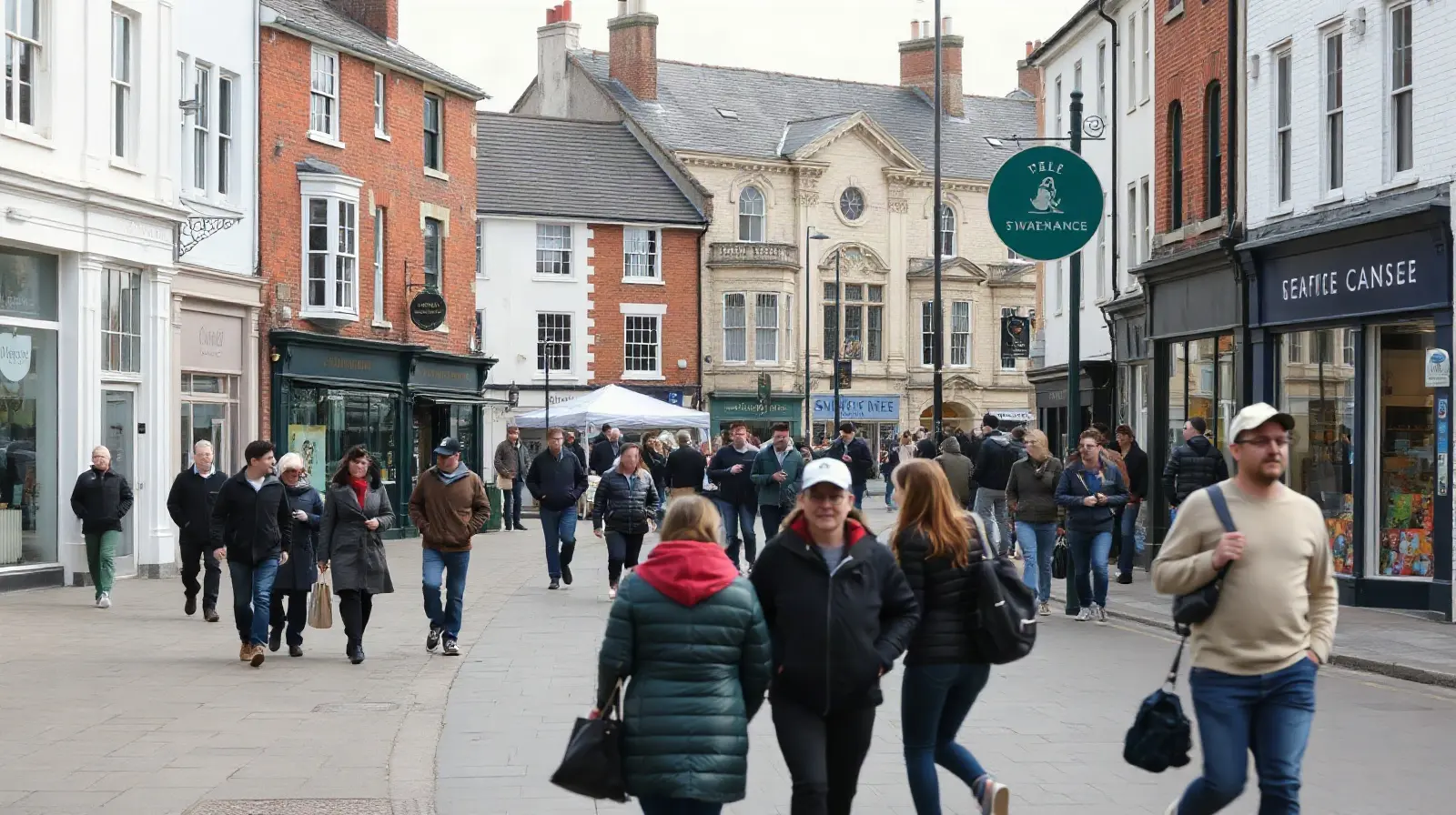
Swansea had an estimated population of 249,429 in mid-2025, up 4.5% since 2011, according to the Office for National Statistics. The median age is 40, and 20.7% of residents are 65 or over.
249,429residents, mid-2025
+4.5%since 2011
661people per sq km
40median age
Population trend
Age profile
| Under 16 | 16.3% |
| 16 to 64 | 62.9% |
| 65 and over | 20.7% |
Year by year
| Mid-year | Population |
|---|---|
| 2025 | 249,429 |
| 2024 | 250,594 |
| 2023 | 248,795 |
| 2022 | 242,786 |
| 2021 | 237,897 |
| 2020 | 238,992 |
| 2019 | 238,707 |
| 2018 | 239,184 |
| 2017 | 239,266 |
| 2016 | 239,300 |
| 2015 | 239,354 |
| 2014 | 239,228 |
| 2013 | 239,237 |
| 2012 | 239,197 |
| 2011 | 238,691 |
Homes in Swansea
The average house price is £211,000 (+2.0% a year). House prices in Swansea · Average rent in Swansea
Frequently asked questions
What is the population of Swansea?
249,429 in mid-2025, according to ONS estimates.
Is the population of Swansea growing?
It changed +4.5% between 2011 and 2025.
How densely populated is Swansea?
661 people per square kilometre across 378 square kilometres.
What is the median age in Swansea?
40, with 16.3% under 16 and 20.7% aged 65 or over.
How does Swansea rank by population?
84 of 358 UK council areas.
Source
Mid-year population estimates, Office for National Statistics. ONS dataset. Source: Office for National Statistics, licensed under the Open Government Licence v3.0.